Your Gaming Avatar Just Got a Pay Raise: The Rise of NFT Characters as Real-World Assets
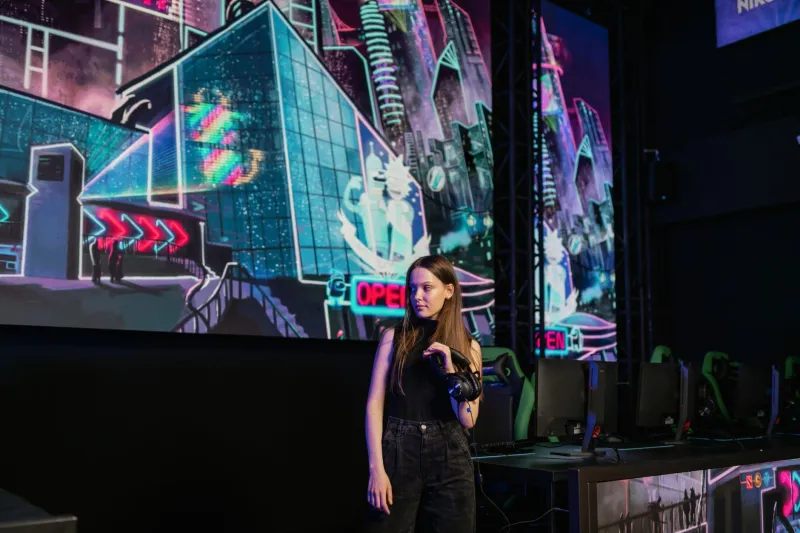
Remember when customizing your character in a video game was just about looking cool? Those days feel like a distant memory. Right now, across blockchain gaming platforms, avatars aren't just pixels on a screen — they're tradeable assets, rental income sources, and in some cases, the foundation of a side hustle that's outpacing a lot of traditional gig economy jobs.
Welcome to the era where your digital identity has a price tag, and it might be higher than you think.
From Cosmetic Collectibles to On-Chain Property
The shift didn't happen overnight. Early NFT gaming — think the CryptoKitties craze of 2017 — was mostly speculative noise. People were buying digital cats and hoping someone else would pay more for them later. That's not exactly a sustainable economy.
What's different in 2024 is the underlying infrastructure. Blockchain networks like Ethereum, Immutable X, and Solana have matured enough to support actual gaming ecosystems where avatars carry verifiable ownership records, built-in utility, and transferable value across multiple platforms. Your character isn't just yours in a sentimental sense — it's yours in the same way a car or a piece of real estate is yours. You can sell it, rent it out, or use it as collateral in some DeFi protocols.
For US gamers who've grown up watching in-game items get locked behind walled gardens — remember when you'd sink hundreds of dollars into skins you could never cash out? — this is a genuinely different proposition.
Real Gamers, Real Profits: What's Actually Happening Out There
Let's get specific, because the hype around NFT gaming can sometimes drown out the actual mechanics.
In games like Illuvium and Gods Unchained, character NFTs have traded for anywhere from a few dollars to several thousand, depending on rarity, stat configurations, and tournament viability. Players in the US have reported flipping rare avatars on secondary marketplaces like OpenSea and Tensor for margins that would make a sneaker reseller jealous.
Then there's the scholarship model, which has gained real traction in games like Axie Infinity and newer titles following its blueprint. Here, an avatar owner — called a manager — lends their high-value character to another player (the scholar), who uses it to earn in-game currency. The earnings get split. It's basically a rental income model applied to gaming, and some managers are running portfolios of dozens of avatars simultaneously.
And it's not just about flipping. Gameplay utility is increasingly tied to avatar rarity. In competitive play-to-earn environments, a well-equipped NFT character can access higher-yield game modes, exclusive tournaments, and reward pools that standard characters simply can't touch. Owning the right avatar is less like owning a collectible and more like owning a tool that generates returns.
Cross-Game Interoperability: The Holy Grail Getting Closer
One of the biggest promises of Web3 gaming has always been interoperability — the idea that your avatar could travel between games, carrying its stats, appearance, and history with it. In 2024, we're seeing real (if still limited) progress on this front.
Projects built on shared standards like the ERC-6551 token-bound accounts protocol are experimenting with avatars that accumulate history and items across different games. Think of it like a passport for your character. The avatar you built up in one RPG might carry cosmetic traits or stat bonuses into a compatible title, making your initial investment compound in value across the ecosystem.
For US gamers, this matters because it changes the risk calculus. If you invest in an avatar for a single game and that game shuts down, you've potentially lost everything. But if that avatar exists on-chain with utility across multiple platforms, your asset is far more resilient. It's the difference between buying stock in one company versus holding a diversified portfolio.
We're not fully there yet — true seamless interoperability is still more vision than reality for most games — but the technical groundwork is being laid right now, and the projects that crack it first are going to have a serious competitive advantage.
The Regulatory Wildcard for American Players
Here's where things get a little complicated, especially if you're based in the US.
The SEC and various state-level regulators have been circling the NFT space with increasing interest. The core question — whether certain NFTs constitute securities — hasn't been definitively answered, but 2024 has brought more enforcement actions and clearer signals that the government isn't going to look the other way forever.
For gaming avatars specifically, the concern centers on whether they're being marketed primarily as investment vehicles rather than in-game tools. If a game studio is essentially selling you an NFT avatar with the pitch that it'll appreciate in value, regulators might view that as an unregistered securities offering.
What does this mean practically for US gamers? A few things to keep in mind:
- Tax obligations are real. The IRS treats NFT sales as taxable events. If you flip an avatar for a profit, that's capital gains — short-term if you held it under a year, long-term if you held it longer. Keep records.
- Platform risk is a factor. Some NFT gaming platforms have restricted US users preemptively to avoid regulatory entanglement. Always check whether a platform is accessible and legally compliant for American players before investing serious money.
- The regulatory landscape is shifting. Proposed legislation in 2024-2025 could either clarify the rules in a way that legitimizes the market or impose restrictions that cool it significantly. Staying informed isn't optional if you're treating avatar ownership as a financial strategy.
How to Think About Avatar Investment in 2024
So should you be buying NFT gaming avatars right now? That depends entirely on how you approach it.
If you're a gamer first — someone who genuinely enjoys the titles where these avatars live — the calculus is pretty favorable. You're going to play anyway, and owning your character on-chain means you retain value from your time investment in a way that traditional gaming never allowed. That's a meaningful upgrade to the gaming experience.
If you're approaching it purely as speculation, be honest with yourself about the risks. NFT gaming is still a volatile space. Projects fail, communities move on, and hype cycles can deflate fast. The avatars that hold long-term value tend to be tied to games with sustainable economies, active development teams, and genuine player bases — not just flashy launch marketing.
The smartest move? Focus on games where the avatar has functional utility, not just aesthetic appeal. An avatar that lets you earn more, compete in exclusive events, or access unique content has intrinsic value that's harder to erode than one that's purely a status symbol.
The Bigger Picture
What's happening with NFT gaming avatars is part of a broader shift in how we think about digital ownership. For a generation of American gamers who've spent real money on virtual items with no exit ramp, the idea of actually owning what you buy — and being able to profit from it — is genuinely revolutionary.
The technology is real. The economics are real. The risks are real too. But if you're willing to do your homework, the era of your gaming avatar working for you, rather than just representing you, is already here.