One Sword, Every Game: The Wild Promise (and Messy Reality) of Cross-Chain Gaming Assets
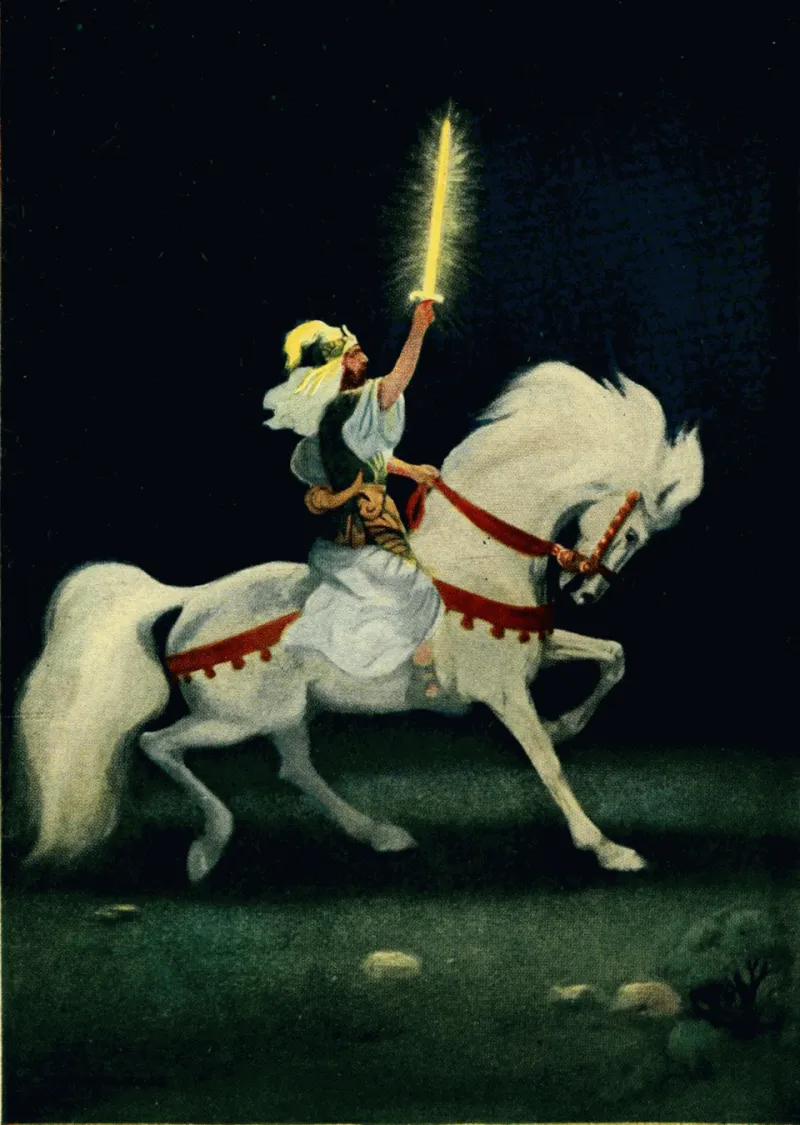
Photo: Author Gerald Friedlander Illustrator George W. Hood, Public domain, via Wikimedia Commons
Every Web3 gamer has heard the pitch at some point. Buy this NFT sword once, the marketing says, and it's yours forever — usable across games, tradeable on any marketplace, a true digital asset that follows you across the metaverse.
It's a gorgeous idea. It's also, mostly, not here yet. But parts of it are closer than skeptics think, and understanding where the lines are drawn could save you from both hype and cynicism.
Why Interoperability Is Harder Than It Sounds
Here's the core problem: an NFT doesn't 'do' anything by itself. It's a receipt pointing to data on a blockchain. Your sword NFT proves you own something — but whether that something is a sword, a stick, or a jpg depends entirely on what each game decides to recognize.
Game A builds its combat around a specific stats system. Game B uses completely different mechanics. For your sword to work in both, developers have to agree on shared standards — what the sword's attributes mean, how it renders, how it affects gameplay. That's a coordination problem, not just a technical one, and studios are competitors who don't always love the idea of their items living in someone else's world.
Who's Actually Trying
Real projects are attacking this from a few angles.
Shared standards. Groups like the Open Metaverse Alliance for Web3 (OMA3) and the Metaverse Standards Forum are pushing common frameworks so items and identities can move between virtual worlds. Think of it like the early days of web standards — slow, unglamorous, foundational.
Cross-chain bridges. Companies like Enjin and others built infrastructure specifically so assets can hop between blockchains — mint on one network, use on another. The tech works; adoption is the bottleneck.
Cloud-agnostic game engines. Some studios design items as data layers that render differently depending on the host game. Your sword might be a katana in one title and a laser blade in another, but the underlying ownership is the same token.
The American Legal Wrinkle
US players should know there's more than code in the way. If an item genuinely functions across multiple games and marketplaces, regulators may scrutinize whether some tokens behave more like securities than collectibles — the SEC hasn't drawn bright lines here, which itself is a problem.
There's also consumer protection territory: cross-game assets raise questions about what happens when one game shuts down, who's liable for a glitchy bridge, and how refunds work when your item 'exists' in five places. None of these have settled answers.
And practically: intellectual property. If your sword uses assets from Game A's art pipeline, Game B using them isn't automatic — someone has to license it.
Should You Hold Your Breath or Hedge?
Hedge. Here's a practical framework:
- Don't pay a premium for 'interoperability promises.' If a token's price is justified mainly by future cross-game utility that doesn't exist yet, treat that as speculation, not value.
- Value items within the game they actually work in. A great sword in a great game is worth owning. A mediocre sword that 'might' work elsewhere someday usually isn't.
- Watch for real partnerships, not roadmap talk. When two live games actually recognize each other's items — shipped, functional, playable — that's news. Whitepaper promises are not.
The Honest Outlook
Full interoperability — a single inventory across every game, like one universal Steam library you own outright — is probably years away, and may never be total. But partial interoperability is already emerging: shared standards for avatars, bridges that let items move between chains, studios openly building for multi-game ecosystems.
The smartest US players right now aren't waiting for the promise. They're playing good games, owning items that work where they play, and letting interoperability be upside rather than the whole thesis. The sword of your dreams might one day travel everywhere. Until then, make sure it's at least fun to swing where you are.