Zero Down, Real Earnings: 7 Blockchain Games Where Your Time Is the Only Investment
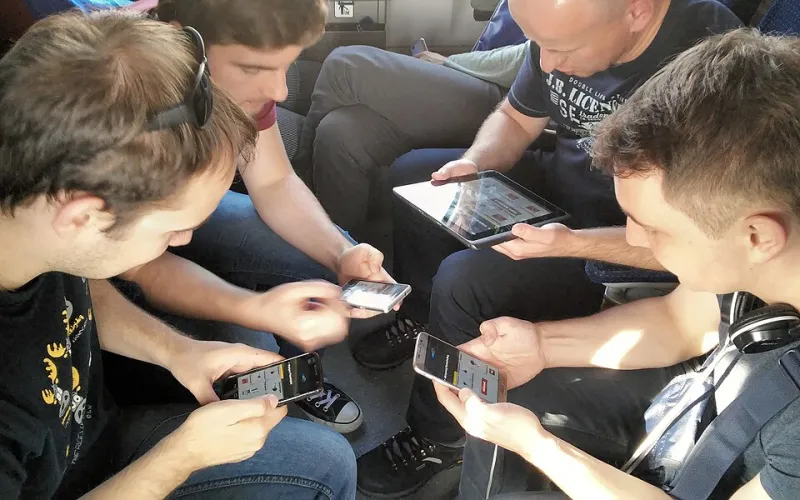
Photo: Klapi, CC BY-SA 4.0, via Wikimedia Commons
The dirty secret of play-to-earn gaming is how many titles advertise 'free to play' and then gate every earning mechanic behind a $150 NFT. You can log in free, sure. You just can't earn anything.
But not every game plays that game. Some genuinely let you start from zero — your time and skill are the investment. Here are seven worth your hours, along with what to watch out for before you commit.
1. Gods Unchained (Immutable)
A competitive trading card game in the Hearthstone mold. New players get free starter cards and can earn through ranked play and weekend events. Winning packs and cards that are genuinely tradable NFTs takes real skill — this is not a click-to-earn idle game. Expect a learning curve of a few weeks before you're competitive. Payouts come via tradable cards and the GODS token. Red flag check: none major, but the free decks cap how fast you climb.
2. The Sandbox (Free Experiences)
While land is expensive, The Sandbox runs a rotating calendar of free events and quests that pay SAND tokens. Think of it as a mall of mini-games with occasional paydays. Earnings are modest and event-dependent — a few dollars per event at typical rates. Watch for: some experiences funnel you toward purchases; stick to the official event calendar.
3. Splinterlands (Free Tier)
This auto-battler card game lets you start with a free starter set and earn in lower-ranked leagues through daily quests and season rewards. Earnings at the free tier are small — think cents per day — but the skill ceiling is real, and climbing is free. Red flag: the game heavily nudges you toward a $10 spellbook purchase to unlock full rewards. Technically optional, practically tempting.
4. Alien Worlds (WAX)
One of the oldest free-to-earn titles around. You mine Trilium (TLM) by sending avatars on timed missions — mostly idle gameplay. Earnings are genuinely tiny, but it's a true zero-cost entry and a decent classroom for learning how on-chain gaming works. Red flag: the gameplay is shallow; treat it as education, not income.
5. STEPN-Style Move-to-Earn Alternatives (Free Sneaker Events)
The move-to-earn category got famous for expensive sneaker NFTs, but several apps run free sneaker giveaways and scholarship programs where sponsors lend you the NFT in exchange for a cut of earnings. You walk, you earn tokens. Red flags: scholarship splits can be steep (30–50%), and token volatility means today's earnings can be worth half tomorrow. Never buy in to 'guaranteed' returns.
6. Arcade-Style Faucet Games on Telegram and Browser Platforms
A wave of lightweight tap-to-earn and arcade games distribute small token rewards for daily play and referrals — Hamster Kombat and similar titles exploded with this model. Earnings per hour are low, but there's truly no buy-in, and payouts via exchanges or airdrops have been real for some players. Red flags: referral-heavy games that only pay when you recruit are pyramid-shaped. Avoid anything requiring a deposit to 'unlock' withdrawals.
7. Guild Scholarship Programs
Gaming guilds — organizations that own expensive NFT assets — lend them to players in exchange for a revenue split. For games like Axie Infinity and others, a scholarship gets you a play-ready asset for zero upfront cost. Your cut might be 50–70% of earnings. Red flag: only work with guilds with verifiable track records and clear written terms. Never pay an 'application fee.'
How to Protect Your Hours
Before sinking serious time into any free-to-earn game, run this checklist:
- Where do payouts come from? If rewards are funded mainly by new players buying in, the whole thing is a slow-motion rug.
- Can you actually withdraw? Check withdrawal minimums and whether US users are supported on the payout rails.
- What's the token's liquidity? A token you can't sell is a coupon, not income.
- Track your time. Log your hours versus earnings for two weeks. If your effective rate is below minimum wage and falling, reallocate those hours.
Free-to-earn won't replace a paycheck, and anyone promising it will is selling something. But as a zero-risk way to learn Web3 gaming — and maybe pocket some pizza money along the way — these seven are honest places to start.