Rent, Don't Buy: How Guild Scholarships Are Rewriting the Play-to-Earn Playbook
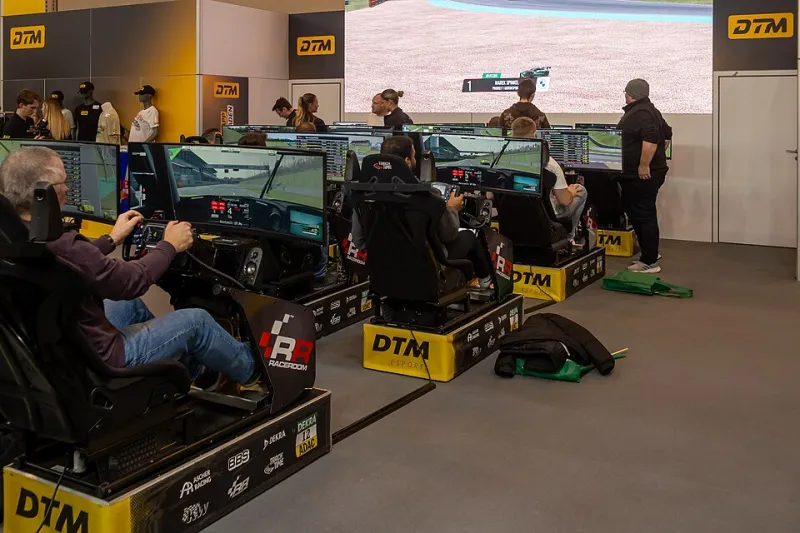
Photo: Matti Blume, CC BY-SA 4.0, via Wikimedia Commons
The pitch: let somebody else buy the sword
Most blockchain games still have a toll booth at the front door, and it's usually an NFT. A weapon, a plot, a character, a piece of gear that gates the part of the game where money comes in. For a player in Ohio or Arizona who just wants to test the waters, that toll can run from a couple hundred bucks to a few thousand, and it comes with all the usual crypto baggage: wallet setup, gas fees, and the very real chance the floor price halves while you're still reading the tutorial.
Guilds exist to remove that toll. The model is simple on paper. A guild treasury buys the assets in bulk, hands them to players through a scholarship agreement, and splits whatever those players earn. The player brings time and skill. The guild brings capital. In 2026 this is no longer a niche experiment bolted onto one monster hit from 2021 — it's a structured business with treasury reports, asset managers, and in some cases legal counsel.
So does it work? Mostly yes, with caveats that matter more than the marketing suggests.
Where the money actually goes
The classic split is 70/30 in the player's favor, though 60/40 and even 50/50 arrangements show up when the guild is fronting expensive assets or covering replacement costs. Run the math on a player grossing $1,200 a month: at 70/30 that's $840 before gas, before any platform withdrawal fees, and before the IRS gets a look at it. That last part is not a footnote. Game rewards are generally treated as ordinary income at the moment you receive them in the US, which means your $840 is taxable whether or not you convert a single token to dollars.
Guilds have gotten better at spelling this out. The good ones issue monthly statements that separate gross earnings, guild share, and player share, which makes tax season a whole lot less painful than reconstructing a year of wallet activity from memory in April.
The two-billion-dollar question
The number floating around the space refers to the collective value of assets held by the largest guilds. That's a big pile of NFTs, and it raises the obvious concern: is this just leverage on a market that goes to zero? Partly. Guild treasuries are heavily exposed to the assets they rent out, and if a game's economy collapses, so does the yield on those assets.
The counterargument is diversification. A serious guild spreads capital across fifteen or twenty titles instead of betting the farm on one. When a game dies — and games do die — the loss is a line item, not an extinction event. Contrast that with an individual player who sinks $3,000 into one game's assets and watches the floor drop 80% in a quarter. The guild model doesn't eliminate that risk, it amortizes it.
What the model genuinely fixes
- Entry cost. A scholarship turns a four-figure barrier into a free trial with a revenue share. That's a meaningful change for players who want proof of earnings before committing capital.
- Asset management. Guilds handle upgrades, repairs, and rebalancing. Individual players usually don't, and their yields suffer for it.
- Replacement speed. If an asset gets burned, stolen, or invalidated by a patch, a guild with a treasury can swap it in days. A solo player is just out of luck.
- Negotiating power. Guilds talk to studios directly. They get early access, bulk terms, and sometimes a say in how rewards are tuned. Solo grinders get a Discord announcement.
What it doesn't fix
Counterparty risk is the big one. Most scholarship terms live in a document and a Discord channel, not in a smart contract. A guild can revoke your access, change the split, or dissolve, and your recourse is limited to whatever reputation the guild cares about protecting. There's no on-chain guarantee that says the sword stays in your hands.
Then there's the token problem. Some guilds pay player shares partly in their own token, which is fine until it isn't. Check whether the split is denominated in the game's currency, a stablecoin, or the guild's own asset before you sign anything, because those are three very different risk profiles.
And finally, the guild inherits the same structural flaw as the solo player: if the studio pulls the plug, everybody's hours evaporate. No amount of professional management saves a game with no players.
Playing the meta, not just the game
If you're evaluating a scholarship in 2026, ask four questions. What's the split and what currency is it paid in? Can you see the guild's treasury and asset holdings, or is transparency just a slogan? Is there a documented path to owning your own assets — a buyout option or a rent-to-own credit — or are you locked into renting forever? And what happens to your share if the game shuts down mid-season?
Guilds are not a magic fix for play-to-earn's flaws. They're a financial intermediary that inserts itself between you and the game, and intermediaries charge for the service. But for a player who wants to earn without betting their savings on a JPEG of a battle axe, renting access is a considerably smarter starting position than buying in blind.
Treat the guild the way you'd treat any landlord: read the lease, check the books, and don't hand over the keys to your own assets on a handshake.